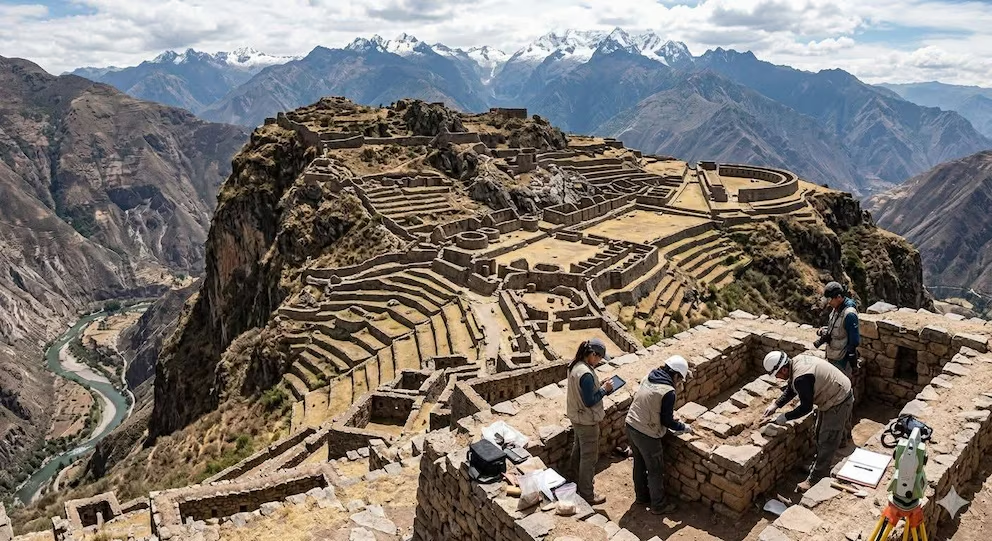
Taqrachullo (also known as María Fortaleza) is the largest Inca archaeological complex discovered in decades, spanning 17.4 hectares with 600 documented structures and remarkable findings of 3,000 artifacts made of gold, silver, and copper. Located at 4,100 meters altitude in Espinar province, Cusco, this ancestral site was recognized as Peru’s Cultural Heritage in 2010 but captured international attention in May 2026 when National Geographic published its groundbreaking investigation. If you’re planning to visit Peru or interested in Andean archaeology, this is your definitive guide to understanding T’aqrachullo’s historical significance and how to experience it firsthand.
Table of Contents
1. Introduction: The Discovery of Taqrachullo
For centuries, Taqrachullo remained a little-known mountainous area in Espinar province. In 1990, the site was nothing more than a pasture in the high Andean elevations of southern Peru. However, over three decades, Peruvian archaeologists worked systematically to reveal the secrets hidden beneath this plateau’s surface.
The turning point arrived when Peru’s Ministry of Culture intensified excavations beginning in 2019, discovering that what appeared to be a secondary archaeological site actually contained one of the largest Inca citadels ever found. In May 2026, National Geographic published a detailed report that catapulted T’aqrachullo into international attention, comparing it favorably with Machu Picchu and highlighting its exceptional importance.
Key Fact: Taqrachullo covers approximately 17.4 hectares, making it roughly four times larger than Machu Picchu in terms of surface area extension.
This comprehensive article will guide you through everything you need to know about T’aqrachullo: from its exact location and how to visit, to detailed analysis of its archaeological findings, its role in the Inca Empire, and its contemporary importance for understanding Andean civilization.
2. Geographic Location and Access to Taqrachullo
Where Exactly is T’aqrachullo Located?
T’aqrachullo is strategically positioned in:
| Geographic Aspect | Detail |
| Region | Cusco, Peru |
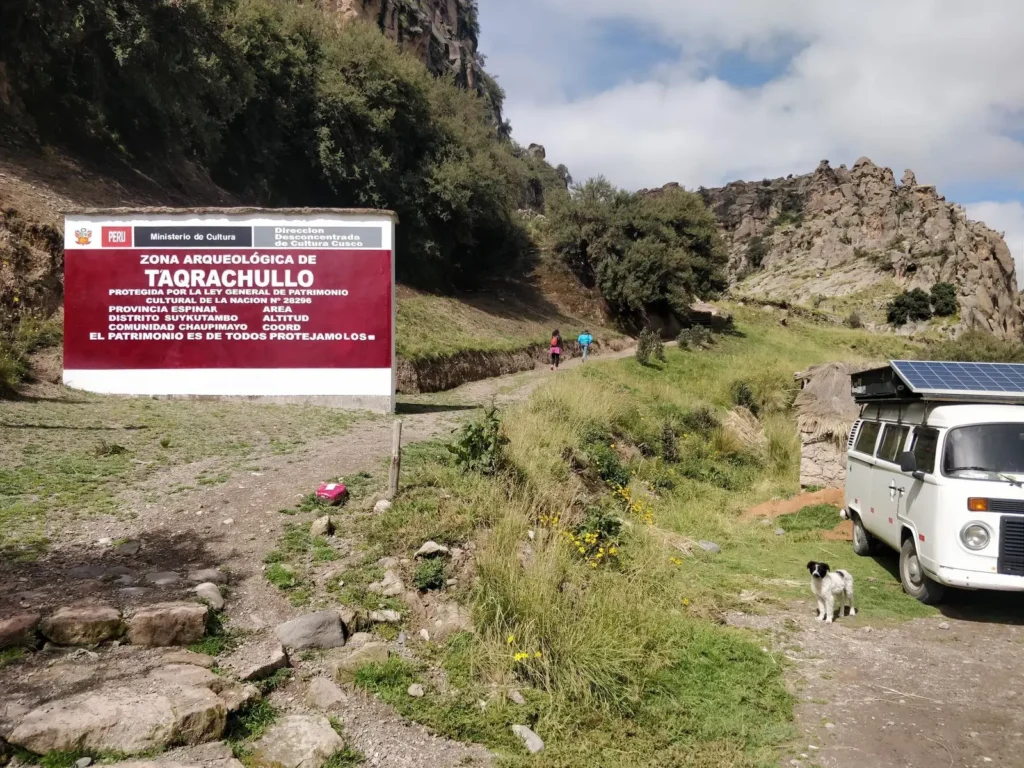
| Province | Espinar |
| District | Suyckutambo |
| Altitude | 4,100 meters above sea level (msnm) |
| Distance from Cusco | 244 kilometers |
| Travel Time from Cusco | 5 to 7 hours by vehicle |
| Location Relative to Machu Picchu | 225 kilometers to the northwest |
Strategic Geographic Context
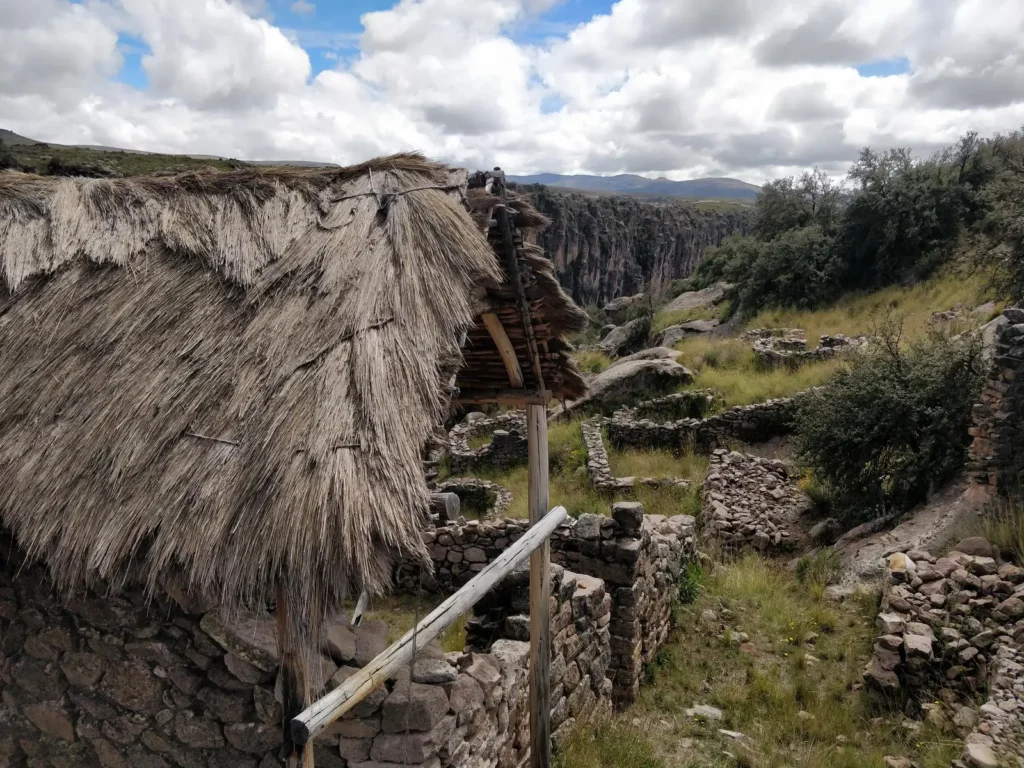
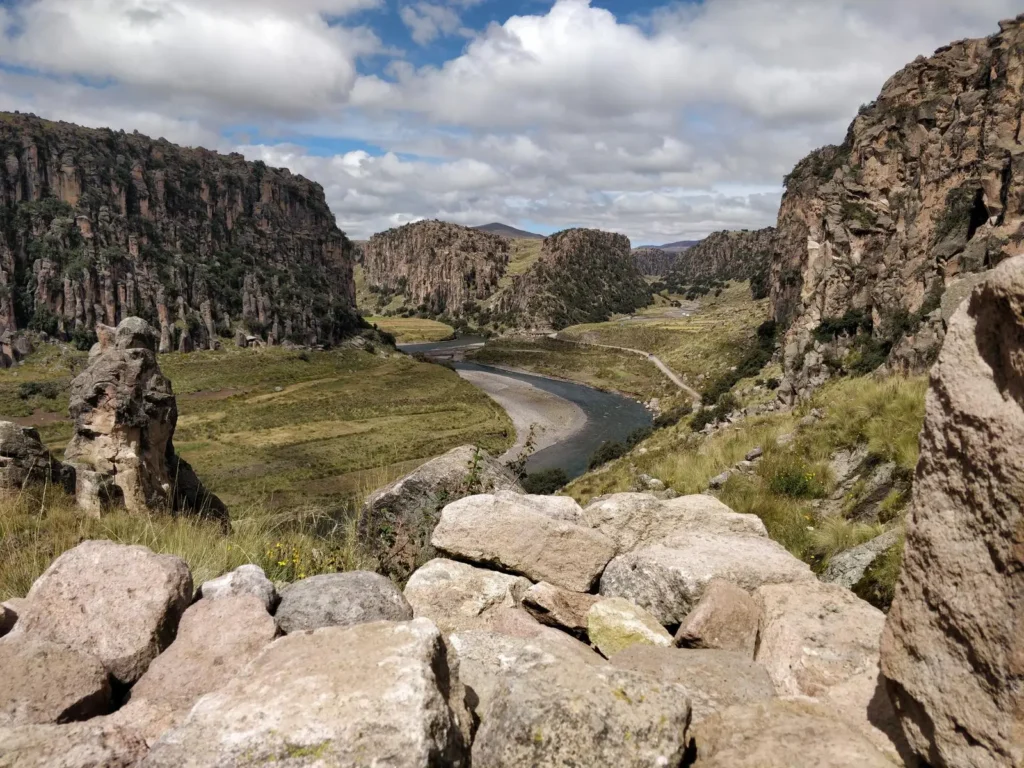
The site is located on a rocky plateau overlooking the Apurímac River canyon, one of the Andes’ most significant geographical features. This location was not accidental: the Incas deliberately selected their administrative and religious centers using specific criteria including visual control, access to water, and connection with major circulation routes.
4,100 m
Altitude in meters
244 km
Distance from Cusco
17.4 ha
Total extension
600+
Documented structures
How to Get to Taqrachullo from Cusco
Option 1: Private Vehicle
- Depart from Cusco toward the Cusco-Espinar highway
- Total distance: 244 kilometers
- Estimated time: 5 to 7 hours of travel
- Road conditions: Good overall with mountainous sections
Option 2: Organized Tours
- Tourism agencies in Cusco offer specialized packages
- Include transportation, specialized guide, and sometimes accommodation
- Prices vary by agency (2024-2025 rates apply)
Option 3: Public Transportation (Less Recommended)
- Buses from Cusco to Espinar available
- From Espinar, you’ll need to arrange local transportation
- Less flexible regarding schedules
Upcoming Access Improvements: The Cusco Regional Government has announced road improvement works on the Yauri–Suykutambo route, which will significantly facilitate site access in coming years.
3. Main Characteristics of the Archaeological Site
Unprecedented Dimensions and Extension
T’aqrachullo stands out for its exceptional scale. With 17.4 hectares of extension, it ranks among the largest documented Inca complexes. To put this in perspective:
- It is approximately 4 times larger than Machu Picchu
- Contains around 600 identified structures
- More than 300 have been restored and consolidated
- Ongoing excavations suggest additional structures remain undiscovered
Architectural Complexity and Urban Planning
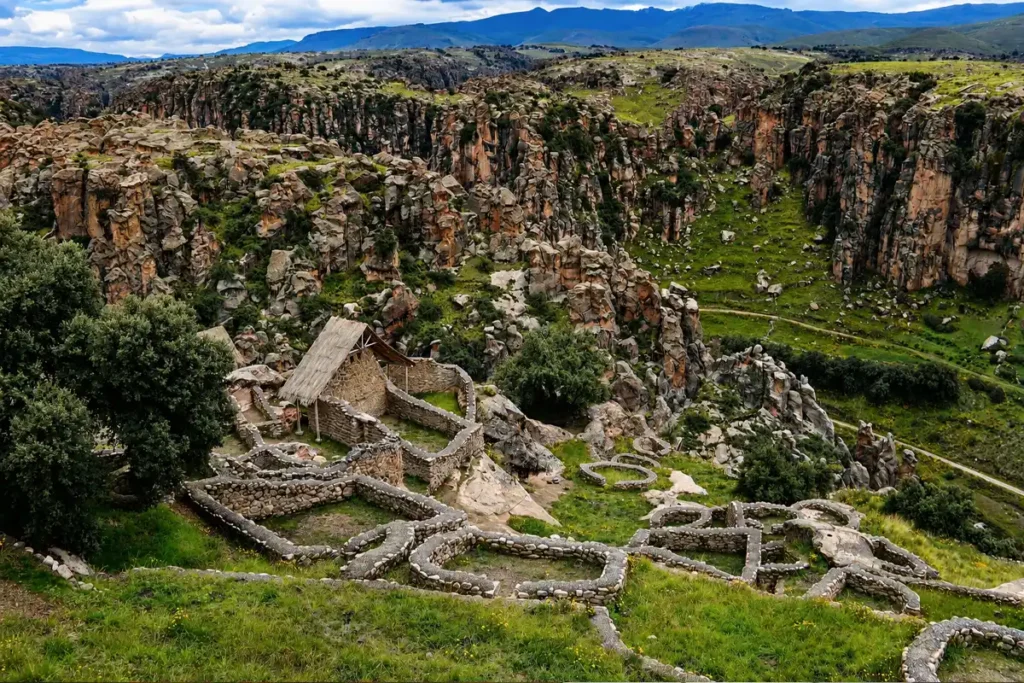
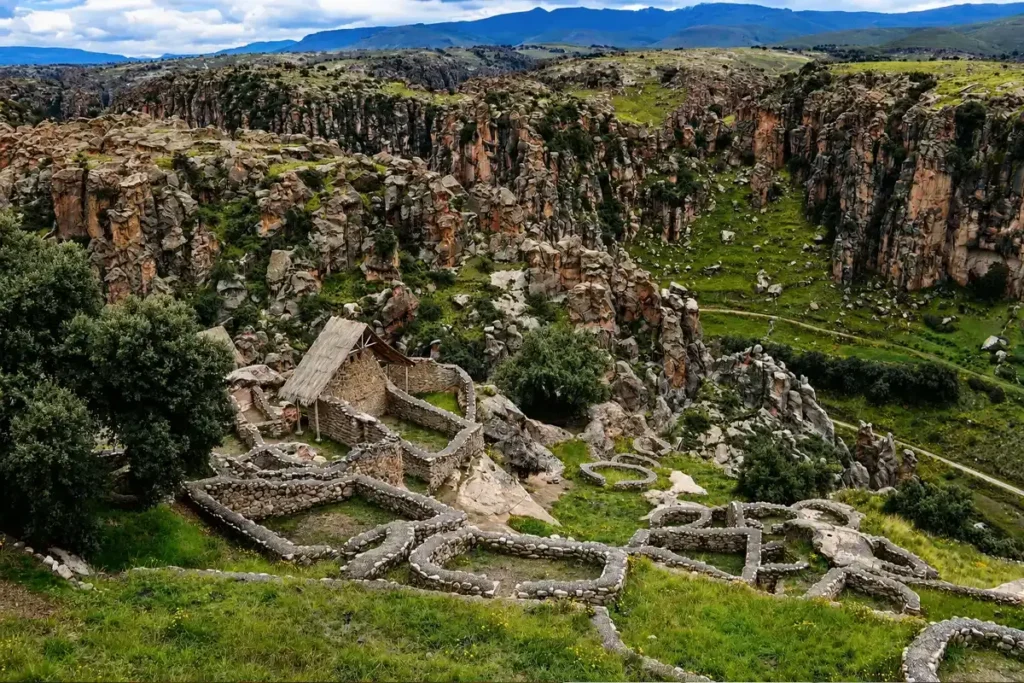
Taqrachullo’s importance lies not only in its size but in the architectural diversity reflecting different functions: religious, administrative, residential, and funerary. This sophisticated planning indicates a center of strategic importance within the Tahuantinsuyo.
The High-Altitude Landscape
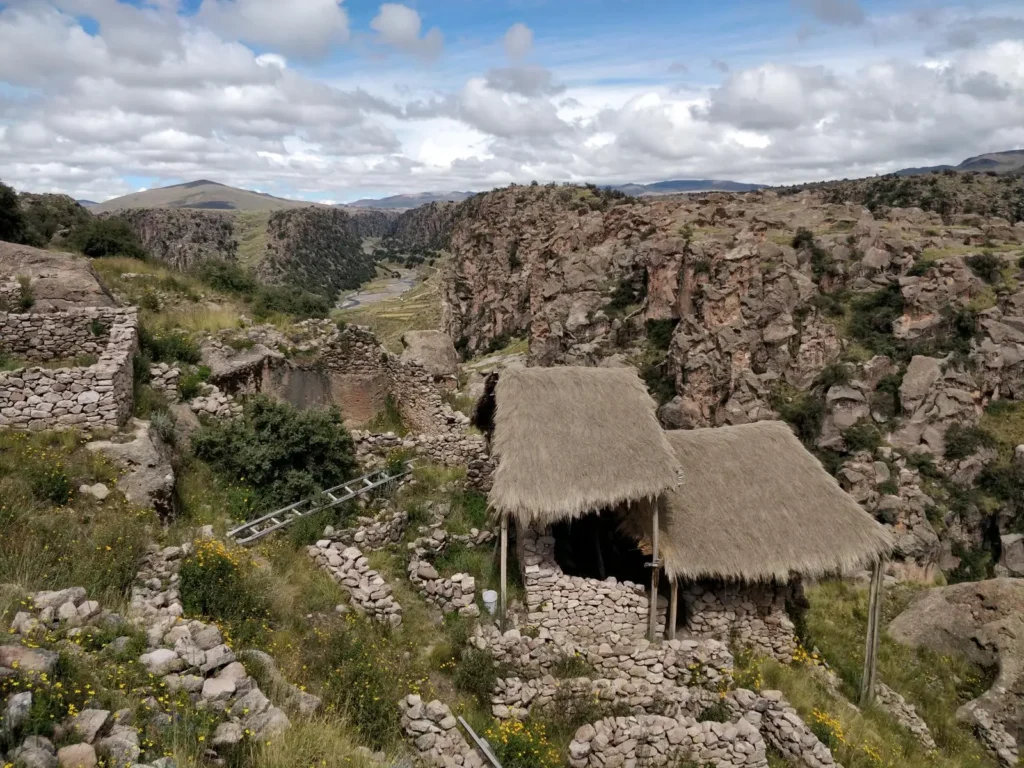
The site is located within the Tres Cañones Regional Conservation Area, an extraordinarily beautiful mountainous environment. Views of the Apurímac canyon from Taqrachullo are spectacular, particularly during sunrise and sunset. This natural setting is not merely decorative—it forms an integral part of the site’s archaeological experience.
Important Note: T’aqrachullo sits at 4,100 meters altitude. Acclimatization in Cusco (3,400 m) before visiting is recommended. Bring warm clothing, high-SPF sunscreen, and stay hydrated.
4. Research and Discovery History: 35 Years of Investigation
Taqrachullo’s history is fascinating not only for what was discovered but how it was discovered. For decades, Peruvian archaeologists worked meticulously while the international archaeological community largely overlooked the site.
Phase 1: 1990 – Initial Discovery
In 1990, the site was little more than a pasture in Espinar’s mountains. Peruvian archaeologists began noticing topographical anomalies: regular elevations that didn’t correspond to natural formations. These were actually remains of degraded Inca structures.
Phase 2: 1990-2019 – Silent Research by Peruvian Specialists
For nearly three decades, Peru’s Ministry of Culture conducted rigorous investigative work without significant international media coverage. This period was characterized by:
- Controlled and systematic excavations
- Meticulous documentation of structures
- Artifact collection and analysis
- Publications in specialized Peruvian academic journals
Phase 3: 2019-2022 – Excavation Intensification
Peru’s Ministry of Culture significantly expanded operations at T’aqrachullo beginning in 2019. During these years:
- The site’s true complexity became apparent
- Nearly 600 different structures were identified
- First high-value metallic artifacts were discovered
- The site’s true hierarchical importance within the Inca Empire became understood
Phase 4: 2024 – Consolidation and Tourism Preparation
Following years of investigation, T’aqrachullo was officially opened for tourism in December 2024. This phase included:
- Restoration and consolidation of over 300 structures
- Creation of trails and observation points
- Establishment of conservation protocols
- Training of specialized guides
Phase 5: May 2026 – International Visibility – Taqrachullo National Geographic’s
National Geographic’s May 2026 publication transformed Taqrachullo’s narrative from “archaeological discovery by Peruvian specialists” to “discovery of worldwide importance.” This marked an inflection point for:
- International tourism interest
- Funding for future research
- Inclusion in Peru travel itineraries
- Academic discussions about Inca site hierarchy
Important Perspective: Although National Geographic’s report was titled a “discovery,” the reality is that Peruvian archaeologists investigated Taqrachullo for over 30 years. The site was declared Peru’s Cultural Heritage in 2010. The recent “rediscovery” was primarily a matter of media visibility, not archaeological discovery.
5. Historical Significance: Fourth Sacred Temple of the Tahuantinsuyo
What makes T’aqrachullo extraordinary extends beyond its size to its religious and administrative hierarchy within the Inca Empire.
Exceptional Religious Hierarchy
According to archaeologist Emerson Pereira, who has directed much of Taqrachullo’s investigation, the site possesses the same religious hierarchy as the three most sacred temples of the Inca Empire:
| Sacred Site | Location | Primary Function |
| Qorikancha | Cusco | Temple of the Sun (spiritual center of empire) |
| Pachacamac | Central Coast (Lima) | Sanctuary of pan-Andean importance |
| Huánacauri | Cusco | Sacred pilgrimage site |
| T’aqrachullo | Espinar, Cusco | Religious, administrative and economic regional center |
This classification positions Taqrachullo as the fourth most important location of the Tahuantinsuyo from a religious perspective. This ranking is revolutionary in terms of our understanding of Inca sacred geography.
Multi-Functional Role in the Empire
Taqrachullo was not specialized in a single function. Rather, it operated as a multiple-purpose center:
- Political Center: Administration of territory and control of resources in the southeastern region
- Economic Center: Storehouses (colcas) for imperial redistribution and surplus management
- Religious Center: Temples, ceremonial spaces, and worship centers
- Cultural Convergence Point: Intersection of Collao, Huari, and Cana nations
- Strategic Road Node: Integration with the Qhapaq Ñan (Inca road network)
Possible Historical Connection with Ancocagua
Specialists suggest that T’aqrachullo might be linked with ancient Ancocagua, mentioned in colonial chronicles by Juan de Betanzos and Pedro Cieza de León, two of the most reliable conquest-era chroniclers. If correct, this identification would rewrite sections of early colonial Andean history.
Historiographical Implications: Taqrachullo’s recognition as a first-importance center suggests our understanding of the Inca Empire’s hierarchical structure was incomplete. This has implications for how we interpret colonial sources and archaeological evidence throughout the southeastern Tahuantinsuyo region.
6. Outstanding Archaeological Discoveries: A Treasure of Gold, Silver, and Copper
Richness of Metallic Artifacts
Perhaps the most spectacular discovery at T’aqrachullo is the quantity and quality of metallic artifacts recovered. These are not isolated findings but systematic deposits revealing the exceptional status of the elite who resided at the site.
3,000
Gold, silver and copper sequins
Multiple
Ornamental necklaces and jewelry
Hundreds
High-value ritual objects
Thousands
Ceramic and lithic instruments
Ceremonial Sequins: A Treasure of 3,000 Pieces
The most quantifiable discovery includes approximately 3,000 sequins in various metals:
- Gold: Thin-sheet sequins, likely sewn onto ceremonial garments
- Silver: Similar dimensions, indicating material versatility
- Copper: More frequent, suggesting variable metal access by rank
These artifacts remained hidden underground for centuries, protected by the mountainous nature of the site. Their preservation is exceptional, allowing archaeologists to study Inca metalworking techniques in extraordinary detail.
Necklaces and Ornamental Objects
Multiple necklaces and ornamental jewelry have been recovered, many exhibiting sophisticated Inca goldworking techniques. These objects were not merely decorative: they functioned as symbols of status, power, and affiliation with specific descent lines.
Ritual Objects of Ceremonial Significance
Artifacts whose specifically religious function is evidenced by archaeological context have been found. These include:
- Figurines and idols used in ceremonies
- Sound instruments for ritual purposes
- Objects destined for curacas and high-ranking individuals
Ceramic and Lithic Materials
Beyond gold and silver, T’aqrachullo has yielded thousands of ceramic and stone artifacts providing critical information about:
- Daily life: Cooking vessels, storage containers, and consumption items
- Agricultural technology: Tools for food processing
- Craftsmanship: Evidence of specialized production on-site
- Chronology: Ceramic styles that help date occupational phases
Archaeological Interpretation: The abundance and diversity of findings corroborate the hypothesis that Taqrachullo was a center of worship and residence for high-ranking individuals, not an ordinary settlement or limited-use defensive fortress.
7. Types of Architectural Structures at Taqrachullo
T’aqrachullo’s architectural diversity is one of its most fascinating aspects, reflecting the site’s social, religious, and economic complexity.
Residences: Circles and Rectangles
T’aqrachullo contains numerous residential structures of two main forms:
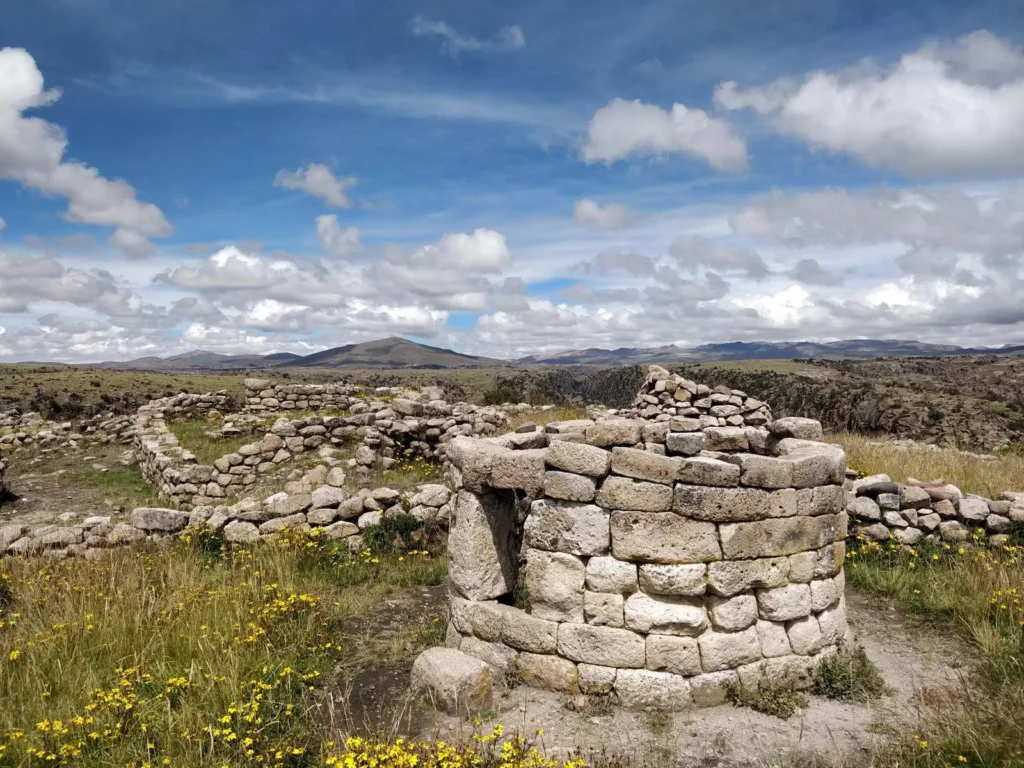
- Circular structures: Typical of Inca architecture for common dwellings
- Rectangular structures: More associated with elite and authority
These constructions preserve diagnostic elements revealing residential function:
- Hearths for cooking and heating
- Tianas (integrated stone seats)
- Batanes (stone mortars for processing food)
Chullpas: The Funerary Towers
Chullpas are a distinctive feature of T’aqrachullo. These are funerary structures in the form of towers with circular and square floor plans that served as:
- Burial chambers for high-ranking individuals
- Monuments visible from great distances
- Repositories of ritual offerings and objects
The massive presence of chullpas indicates a concentration of political and religious authority at the site. Not just anyone could be buried in a chullpa; these structures were privileged to curacas, priests, and members of the Inca elite.
Ceremonial Spaces: Sanctuaries of the Tahuantinsuyo
T’aqrachullo contains multiple ceremonial spaces identified archaeologically, including:
- Sanctuaries with distinctive ritual architecture
- Open spaces for population congregation
- Areas of astronomical significance oriented to celestial events
Colcas: The Imperial Storehouses
Colcas are specialized storehouses in the Inca system, designed to preserve food for extended periods. T’aqrachullo contains several colcas, evidence of its role in imperial economic redistribution. These storehouses functioned as:
- Depositories of agricultural surpluses
- Strategic reserves for times of scarcity
- Symbols of the state’s redistributive power
The Kallanka: A Monumental Communal Structure
In the lower section of T’aqrachullo stands a Kallanka, a large rectangular structure of exceptional size. Kallankas were multifunctional communal buildings serving as:
- Rest spaces for Qhapaq Ñan travelers
- Assembly centers for local populations
- Temporary storage places
Yuractorriyoc: The Water Mirrors
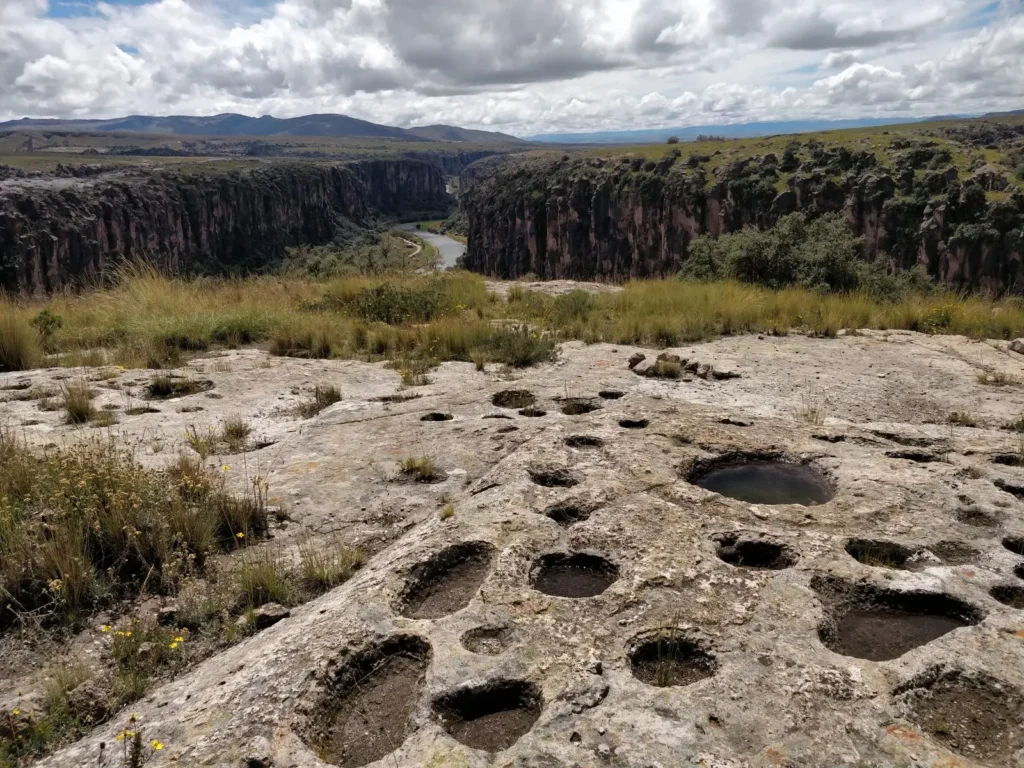
Yuractorriyoc means “water mirrors” in Quechua. This sector contains:
- Ceremonial water pools carved into living rock
- Sophisticated hydraulic systems channeling spring water
- Associations with astronomical observations and rituals
- Ceremonial burials and Qolla-style monoliths
The Qhapaq Ñan: The Integrated Road Network
T’aqrachullo contains identifiable sections of the Qhapaq Ñan, the most sophisticated road network of the pre-Columbian world. These roads facilitated:
- Population circulation between different ecological zones
- Transport of luxury goods and resources
- Movement of armies and imperial officials
Inca Architectural Innovation: T’aqrachullo’s architecture demonstrates how the Incas adapted their architectural structures to specific landscapes, integrating ceremonial, administrative, and residential spaces in harmonious compositions reflecting social hierarchies.
8. Practical Guide for Visiting Taqrachullo
Essential Information for Visitors
T’aqrachullo was officially opened for tourism in December 2024, though it remains an emerging destination compared to sites like Machu Picchu. Here’s practical information based on current site conditions (2024-2025).
Best Time to Visit
| Season | Months | Characteristics |
| Dry Season (Best) | May – September | Clear skies, pleasant temperatures, minimal rainfall |
| Transition | April, October | Variable, afternoon rain possible |
| Rainy Season | November – March | Frequent rains, risk of trail washouts |
What to Bring – Essential List
- Warm Clothing: Significant temperature variations between day and night at 4,100 m
- Sun Protection: SPF 50+ minimum; UV radiation is intense at altitude
- Water: 2-3 liters; dehydration is a risk at altitude
- Appropriate Footwear: Trekking boots with good grip; trails can be slippery
- Energy Snacks: Nuts, granola bars
- Camera: The views are spectacular
- Basic First Aid: Altitude sickness tablets
Altitude Acclimatization
T’aqrachullo sits at 4,100 meters altitude. If coming from sea level or low altitude, you’ll need acclimatization:
- Spend at least 2-3 days in Cusco (3,400 m) before traveling to T’aqrachullo
- Constant hydration is critical
- Avoid excessive alcohol during initial days
- Eat carbohydrates to help your body process oxygen
Available Services at Taqrachullo
T’aqrachullo is still in early tourism development stages. Services are limited:
- Water: Available on-site
- Restrooms: Basic facilities at entrance
- Specialized Guides: Recommended (available through agencies)
- Nearby Accommodation: In Espinar (principal nearby city)
- Restaurants: Limited on-site; best to eat before departing
Important Planning: Unlike Machu Picchu, T’aqrachullo lacks massified tourism infrastructure. Visiting requires more preparation and flexibility. However, this also means a more authentic experience with fewer crowds.
Visit Duration
- Quick visit: 3-4 hours to see main sectors
- Complete visit: 6-8 hours including rest time and observation
- In-depth visit: 1-2 days allowing thorough exploration
Costs (2024-2025)
Prices may vary. General information:
- Site Entrance: Variable per local policies (consult current agencies)
- Private Guided Tour: From $80-150 USD per group
- Transportation from Cusco: $100-200 USD in private vehicles
Contact with Tourism Agencies
It’s recommended to book with agencies specializing in Cusco archaeological tourism. Look for agencies with:
- Guides with specific archaeological training
- 4×4 vehicles for mountain routes
- Experience with high-altitude tourism
9. Taqrachullo vs Machu Picchu: Comparative Analysis
Inevitably, T’aqrachullo is compared with Machu Picchu. Understanding similarities and differences is key to appreciating both sites.
Comparison of Dimensions
| Feature | T’aqrachullo | Machu Picchu |
| Extension | 17.4 hectares | ~5 hectares (main area) |
| Identified Structures | ~600 | ~200 |
| Altitude | 4,100 m | 2,430 m |
| Occupation Period | Multiple periods (Collao, Huari, Inca) | Primarily Late Inca |
| Primary Function | Regional political, religious and economic center | Royal residence or ceremonial center |
Significant Differences
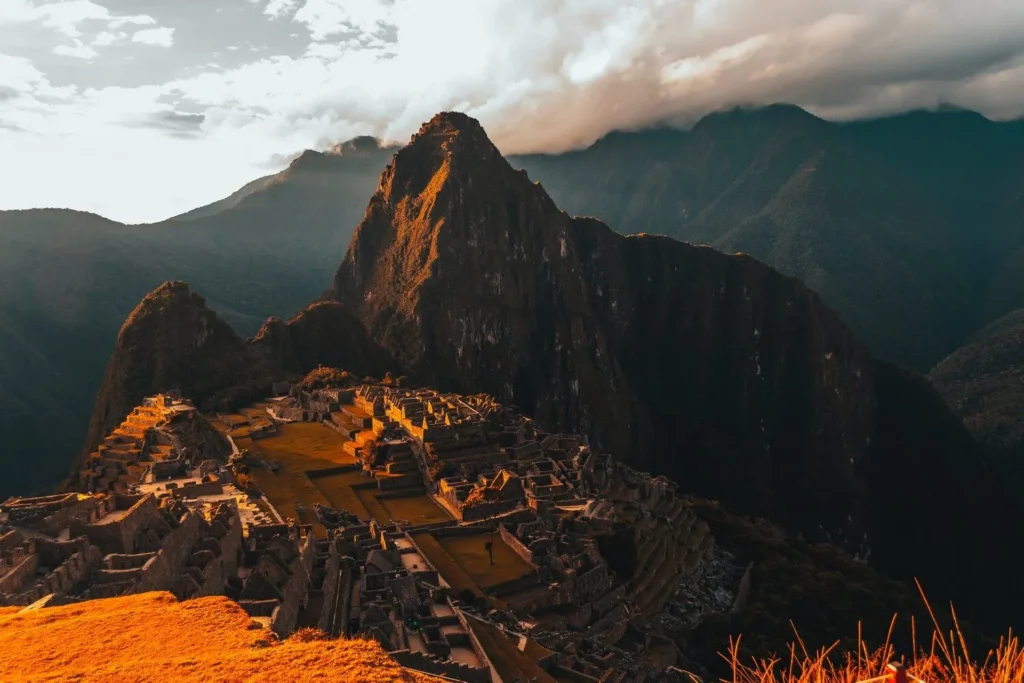
- T’aqrachullo is larger but less planned: While Machu Picchu presents highly ordered, symmetrical urban planning, T’aqrachullo expands more organically, adapting to mountain topography. This reflects different occupational periods and different functions.
- Different temporal occupation: Machu Picchu was primarily occupied during the Late Inca period (15th-16th centuries). T’aqrachullo was occupied during multiple periods, from pre-Inca cultures (Collao, Huari) through the Inca period. This longer occupation makes it archaeologically more complex.
- Metal findings: T’aqrachullo has yielded more abundant precious metal findings than Machu Picchu. While Machu Picchu was probably abandoned before Spanish conquest (preserving treasures beneath jungle vegetation), T’aqrachullo was occupied until conquest, potentially explaining the concentration of offerings.
Important Archaeological Perspective: This is not about T’aqrachullo “surpassing” Machu Picchu. They are different sites with different histories. Machu Picchu is a wonder of Inca urban planning. T’aqrachullo is an administrative and religious center of greater political importance. Both are fundamental to understanding the Tahuantinsuyo.
Why Was Machu Picchu More Historically Famous?
1. Accessibility and modern exploration: Machu Picchu was “rediscovered” by Hiram Bingham in 1911 and promoted internationally. T’aqrachullo was scientifically investigated but without Bingham’s publicity.
2. Geographic accessibility: Machu Picchu, though mountainous, is at lower altitude and better connected to Cusco. T’aqrachullo is more remote and difficult to access.
3. Visual preservation: Machu Picchu was preserved under dense vegetation, protecting its structures. T’aqrachullo was more exposed to natural erosion.
4. Different archaeological narrative: Machu Picchu fits well with the “lost city” narrative built by Incas. T’aqrachullo, with its multi-period occupation, is historiographically more complex.
Which Should You Visit?
Visit Machu Picchu if:
- You want to see Inca architecture at its artistic height
- You prefer mountain landscapes with tropical biodiversity
- You desire more structured tourism experiences
Visit T’aqrachullo if:
- You’re interested in understanding Inca political administration
- You prefer less-crowded experiences
- You wish to see an archaeological site “in progress” with ongoing research
- You’re interested in specialized archaeology
The ideal: Visit both. Together they provide complete understanding of Inca architectural, administrative, and religious sophistication.
10. Things to Do in Taqrachullo
Far from Cusco’s traditional tourist trails, T’aqrachullo boasts a remarkably unique landscape. The site is nestled within the High Andean Puna ecosystem, sitting at an elevation between 3,500 and 4,800 meters (11,483 to 15,748 feet) above sea level.
This environment is shaped by rolling hills, stone forests, vast plains of ichu grass, and rock formations sculpted over centuries by wind and rain. Adding to its dramatic geography, the Apurímac River has carved deep canyons through the terrain, creating a natural gateway that connects this high-altitude landscape with the Apurímac Canyon and the greater Amazon basin.
Given its rich natural and cultural features, T’aqrachullo serves as an ideal backdrop for landscape photography, sightseeing, and cultural tourism. The rural trails also offer great potential for adventure sports such as mountain biking, motorcycling, and hiking. Ultimately, however, its greatest appeal lies in the seamless blend of archaeology and raw natural beauty.
11. Photos of Taqrachullo
12. Frequently Asked Questions About Taqrachullo
When did Taqrachullo open to the public?
T’aqrachullo was officially opened for tourism in December 2024. Previously, it could only be visited with special permits from Peru’s Ministry of Culture.
Is Taqrachullo larger than Machu Picchu?
In terms of territorial extension, T’aqrachullo is approximately 4 times larger (17.4 hectares vs 5 hectares). However, “size” is not the only indicator of archaeological importance.
Where are the artifacts found at Taqrachullo?
Artifacts are being catalogued by Peru’s Ministry of Culture. Some are in Cusco museums; others continue being studied in laboratories. Eventually, a specialized T’aqrachullo museum is expected to be built in the region.
Is it safe to visit Taqrachullo?
Yes, it is safe. However, you should be prepared for:
- High altitude (4,100 m)
- Mountainous terrain and mountain trails
- Minimal tourism infrastructure
Do I need a guide to visit Taqrachullo?
It’s not mandatory, but highly recommended. A specialized guide will significantly enrich your experience, explaining architecture, history, and archaeological context.
Can I visit Taqrachullo in one day from Cusco?
Technically yes (5-7 hours by car plus 4-6 hours on-site), but it’s exhausting. At least one night in Espinar or on-site is recommended.
Is there altitude sickness risk at Taqrachullo?
At 4,100 meters, altitude sickness (soroche) is possible. If coming from low altitude, acclimatize in Cusco first. Bring altitude sickness medication.
What’s the total cost to visit Taqrachullo?
Approximate estimate (2024-2025):
- Entrance: Variable (consult current rates)
- Transportation from Cusco: $100-200
- Guide: $50-150
- Accommodation and meals: $50-100 per day
- Total: $200-450+ per person
Is Taqrachullo still being researched?
Yes, archaeological excavations continue. New structures and artifacts are regularly discovered. T’aqrachullo is expected to remain an active research site for decades.
Are facilities available for people with disabilities at Taqrachullo?
Facilities are limited and the terrain is very mountainous. If you have reduced mobility, consult tourism agencies about specific options.
13. Conclusions: Taqrachullo’s Importance for Andean Archaeology
T’aqrachullo represents far more than an “archaeological discovery.” It’s a site that will redefine how we understand:
- Sacred geography of the Tahuantinsuyo: Its identification as the fourth most important temple replans Inca religious hierarchy.
- Imperial administration: As a regional political and economic center, it demonstrates how the Inca Empire decentralized control.
- High-altitude mountain occupation: T’aqrachullo shows architectural sophistication and hydraulic engineering in extreme landscapes.
- Andean cultural continuity: Its multi-period occupation connects it with Andean traditions predating the Inca Empire.
Future Perspectives
The coming years are expected to bring:
- Intensive archaeological research uncovering more structures
- Development of appropriate tourism infrastructure
- Academic publications rewriting sections of Inca history
- Integration of T’aqrachullo into Peru’s archaeological tourism circuits
Final Reflection
T’aqrachullo testifies to the ingenuity, organization, and grandeur of the Inca Empire. Its investigation by Peruvian archaeologists over three decades, and its recent international “discovery,” underscores an important point: ancient history is not completely written. Each excavation can change our understanding of the past.
If you’re an archaeological traveler, historian, or simply someone curious about ancient civilizations, T’aqrachullo deserves a place in your itinerary. Not only for its grandeur, but because visiting this site means participating in the living history of contemporary Andean archaeology.
Invitation to Exploration: T’aqrachullo’s archaeology is not yet complete. Future excavations may reveal even more spectacular secrets. Visiting now means being part of that ongoing discovery.